

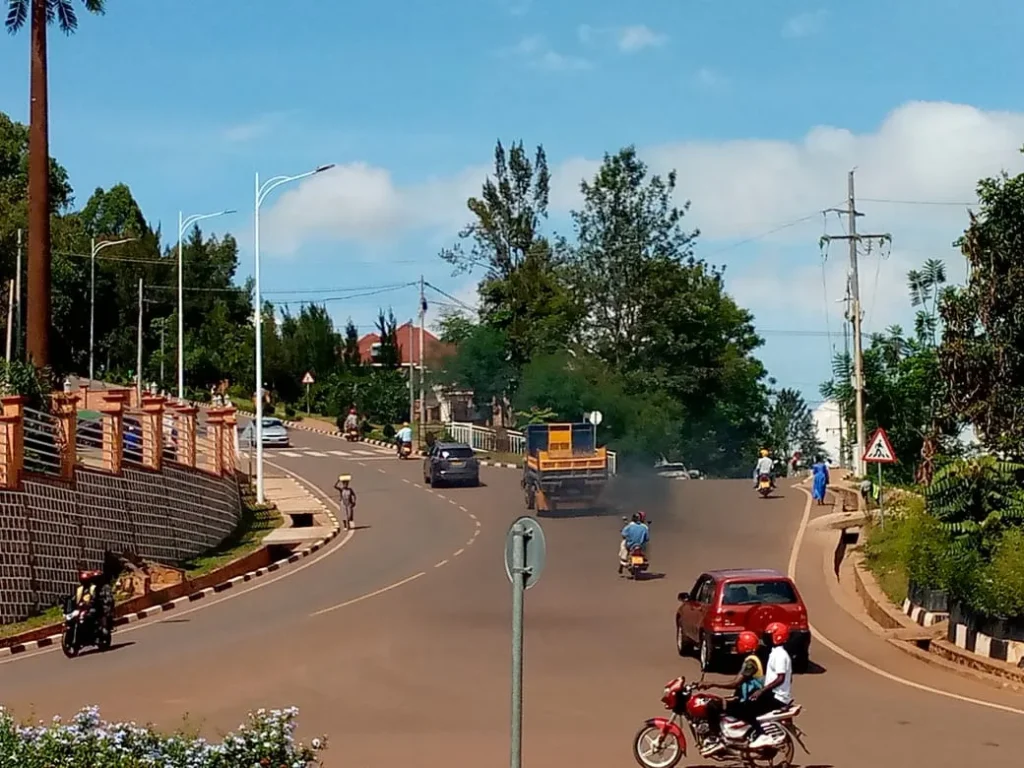
As cities around the world race against time to confront the climate crisis, Rwanda is quietly revolutionizing how it addresses one of the most pervasive threats to urban public health: vehicle emissions.
In a groundbreaking step toward cleaner air and more sustainable cities, Rwanda is updating its Vehicle and Motorcycle Emissions Control Strategy—and for the first time, motorcycles are being included in national emissions testing protocols.
The Rwanda Environment Management Authority (REMA), in partnership with the Rwanda National Police, has announced a comprehensive reform in vehicular emissions inspections. The revised approach will expand testing to include motorcycles, which will now be required to undergo environmental checks at the national vehicle inspection center, Contrôle Technique.
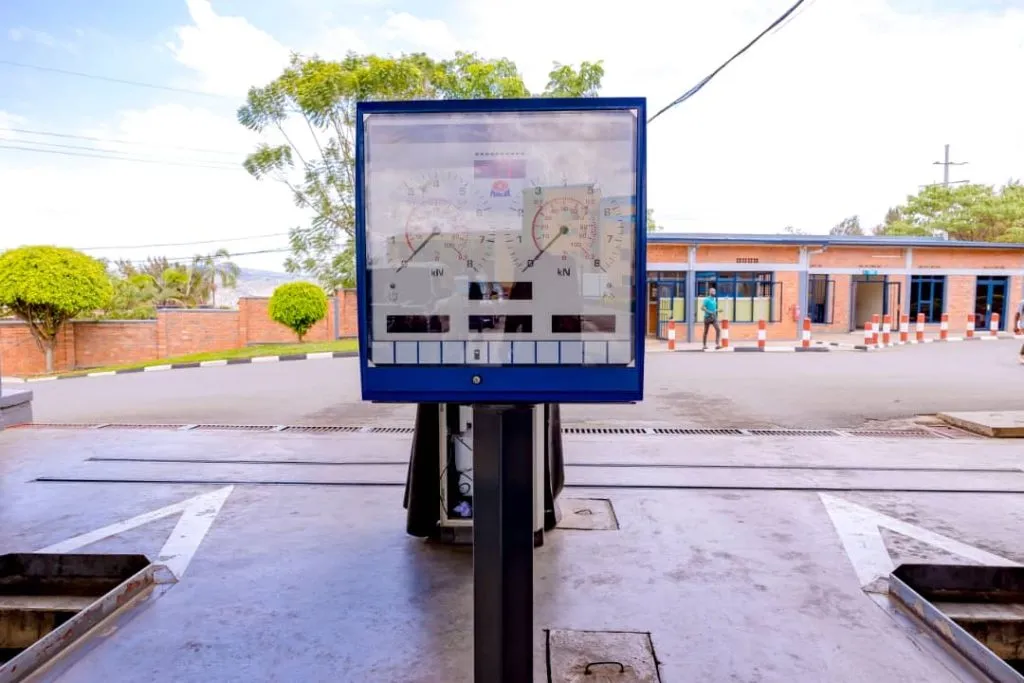
The implementation of this strategy depends on the enforcement of a new Road Usage Act, approved by the Cabinet on April 17, 2025. Once ratified by Parliament, a Ministerial Order will follow, detailing the specific protocols for emissions testing and enforcement mechanisms.
Unregulated vehicle emissions remain among the leading contributors to poor air quality in Rwanda, followed closely by forest burning, waste incineration, and domestic charcoal use.
The health consequences are alarming. According to the Air Quality Life Index (AQLI) from the University of Chicago’s Energy Policy Institute (EPIC), fine particulate matter (PM2.5) significantly reduces life expectancy—especially among children, the elderly, and individuals with preexisting health conditions.
Respiratory illnesses like chronic bronchitis, asthma, and emphysema are just the tip of the iceberg. Long-term exposure to polluted air has also been linked to cardiovascular diseases, pregnancy complications, and certain cancers. In one heartbreaking case, a woman from Kicukiro District reported multiple miscarriages, which she suspected were linked to toxic air exposure near her former workplace—although local health authorities emphasize the need for further research before confirming direct causal links.
To combat pollution and modernize its transport sector, Rwanda has embraced cleaner transport technologies. Electric vehicles (EVs) are gaining traction, with over 7,000 EVs on Rwandan roads as of October 2024, according to data from GIZ’s Changing Transport Initiative.
This isn’t merely a shift in vehicle type it’s a broader societal transformation aimed at creating urban environments that are healthier, breathable, and more sustainable for future generations.
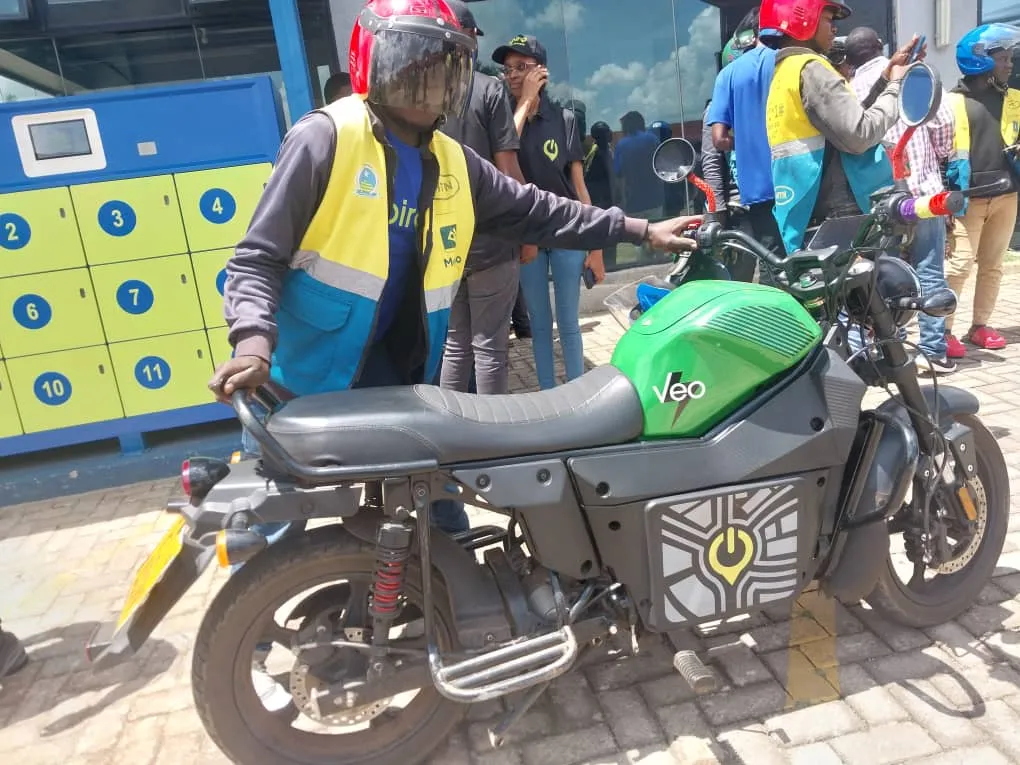
In a bold move to combat urban air pollution and mitigate climate change, Rwanda has taken a decisive step towards cleaner mobility. Minister of Infrastructure Dr. Jimmy Gasore, addressing the Chamber of Deputies, confirmed that the ban on new petrol-powered motorcycles used for commercial transport in Kigali officially came into effect on January 1, 2025.
The directive means that no new petrol motorcycles will be registered for motari (motorcycle taxi) services. However, existing motorcycles already in operation will still qualify for annual license renewals, contingent on passing mandatory emissions inspections at Contrôle Technique centers.
Private petrol motorcycles imported for non-commercial use—particularly in rural or under-electrified areas—will still be permitted. Dr. Gasore emphasized that the policy aims to reduce the harmful emissions fueling both local air quality deterioration and broader climate disruptions.
“Between 2008 and 2019, we saw a 41% increase in respiratory illnesses,” the Minister noted, “a trend that directly correlates with worsening air pollution. Curbing these emissions is not just a health issue—it’s a climate imperative.”

ACP Boniface Rutikanga, spokesperson for the Rwanda National Police, urged citizens to be patient and cooperative as the legal and technical frameworks are finalized. “Cleaner air is everyone’s responsibility,” he said, calling on motorists, policymakers, and civil society to work together toward a common goal.
With reforms scheduled to begin in May 2025, Rwanda is positioning itself as a regional pioneer in environmentally responsible transportation policy. This new strategy—integrating public health, environmental preservation, and technological innovation—is a strong example of how smart policy can serve as a catalyst for sustainable development.
By Jean de Dieu NDUWAYEZU