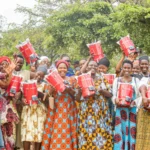

Rwanda is writing an inspiring story of progress, one where economic growth and environmental stewardship walk hand in hand. With investments surpassing $193 million (over 277 billion Rwandan francs), the country is not only building infrastructure but also nurturing ecosystems, empowering communities, and preparing itself for a greener future.
Over recent years, the Ministry of Environment has witnessed a remarkable increase in its budget—from 14.8 billion Rwandan francs in 2022/23 to more than 24.3 billion planned for 2024/25, with ambitious projections reaching 41 billion by 2027/28. Complementing this, Rwanda Green Fund (FONERWA) and affiliated institutions are set to channel over 122 billion francs into transformative projects aimed at climate resilience and sustainable livelihoods.
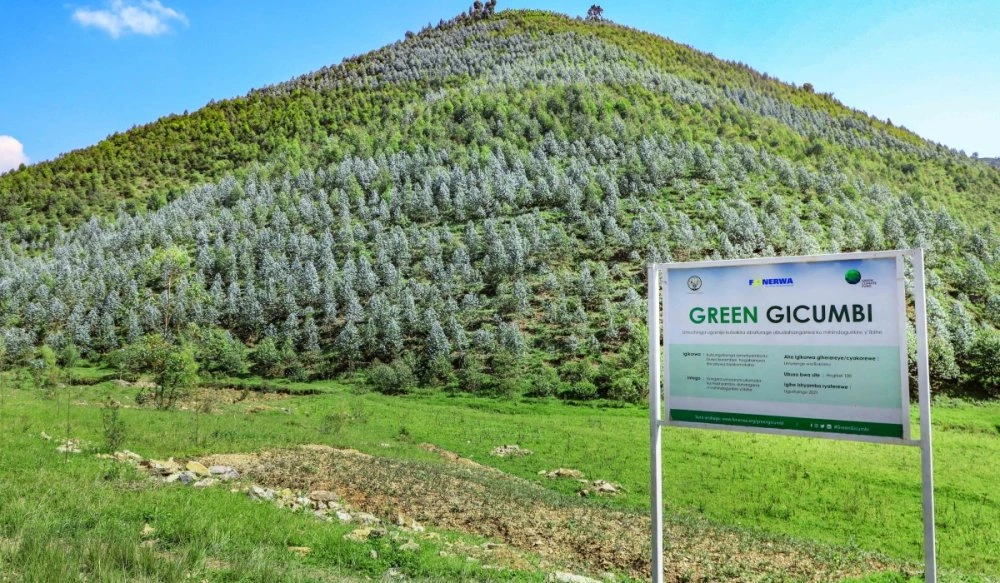
Among these, the Green Gicumbi project stands out. Since its launch in 2019, this northern province initiative has empowered more than 38,000 people, with over half being women, by creating green jobs and restoring thousands of hectares of degraded forests. The project introduced clean cookstoves to tens of thousands of households and constructed biogas facilities that together have helped cut down over 108,000 tonnes of carbon emissions. Its efforts ripple through agroforestry, soil conservation, and sustainable energy, painting a hopeful picture for climate-conscious development.
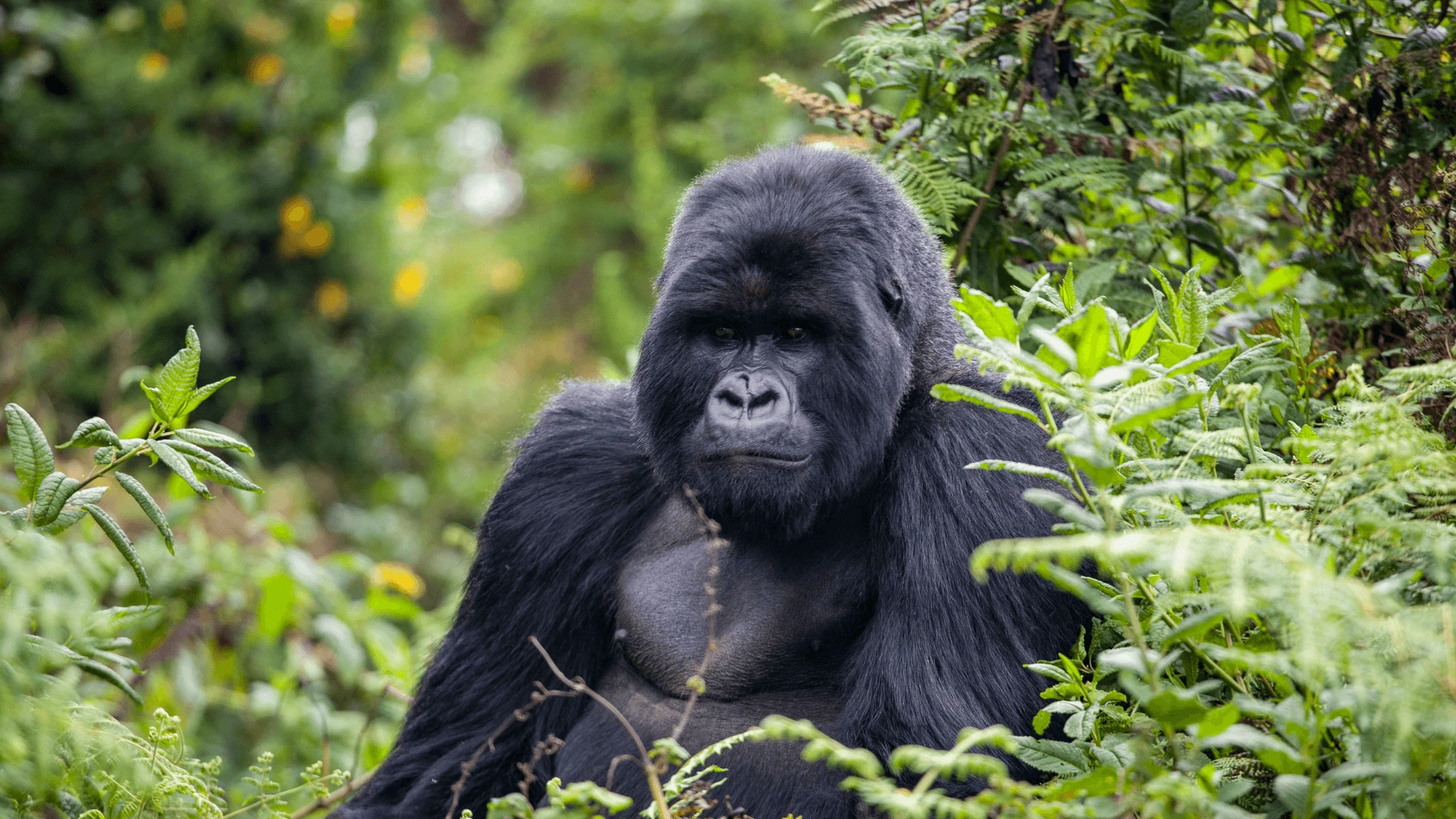
Meanwhile, in the buffer zones of Volcanoes National Park, communities are safeguarded against floods and wildlife conflicts by a $62 million initiative launched in 2021. This project benefits over 1.4 million people across several districts, intertwining natural resource management with tourism and economic vitality, reinforcing how Rwanda’s growth is as much about people as it is about nature.
Stretching further, the ambitious restoration efforts in the Congo-Nile Divide work tirelessly to preserve biodiversity across ten districts, rehabilitating forest landscapes and ensuring clean energy access to thousands of households. Such initiatives safeguard critical ecosystems like Nyungwe and Gishwati forests, which are vital lungs for the region and habitats for rare wildlife.
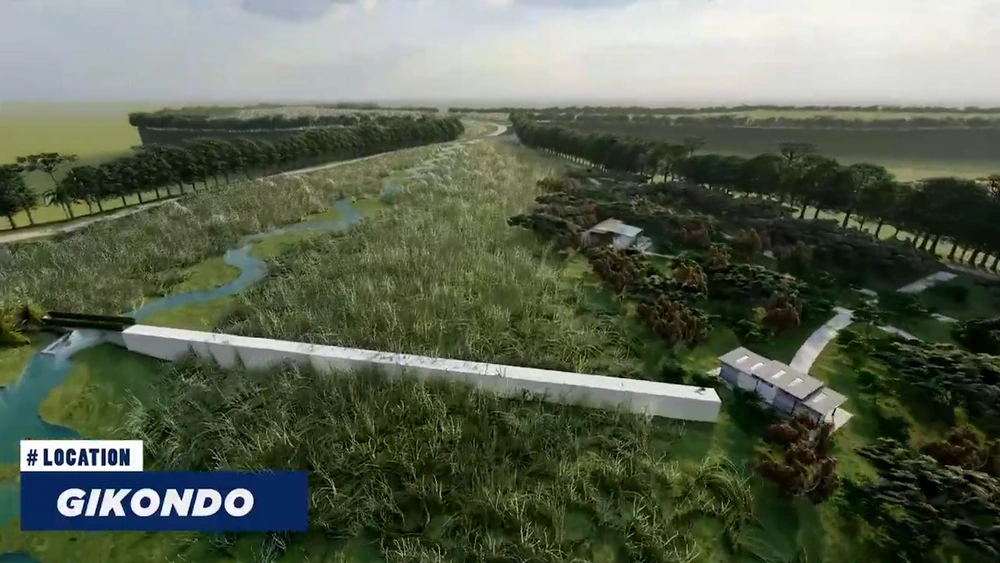
At the heart of Kigali, REMA is actively restoring five wetlands covering 408 hectares. These include Gikondo, Rwampara, Rugenge-Rwintare, Kibumba, and Nyabugogo wetlands. Each wetland restoration is tailored to its unique ecosystem, ensuring that by September 2025, these natural treasures will be revitalized. With a $80 million investment, the work will eliminate foul odors, eradicate discarded waste, and transform these spaces into tourism hotspots rich with diverse flora and fauna—breathing new life into the city’s environment and its community.
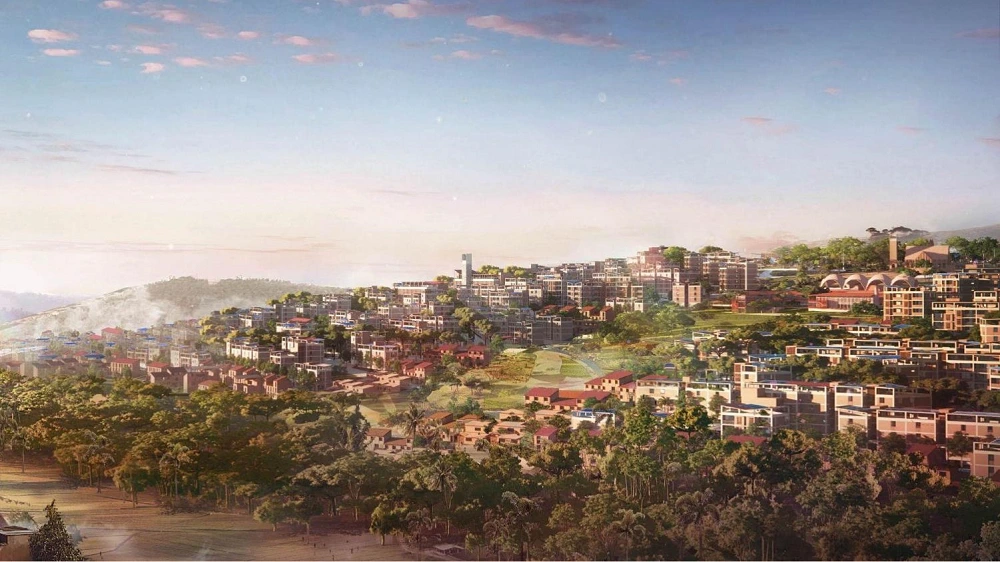
In the urban heart of Rwanda, the Kigali Green City project redefines how thousands will live. More than just housing, this eco-friendly city within Gasabo district promises integrated amenities — roads, schools, and markets — all while prioritizing environmental sustainability. Its design embodies Rwanda’s vision of inclusive, green urbanization, providing a blueprint for cities of the future.
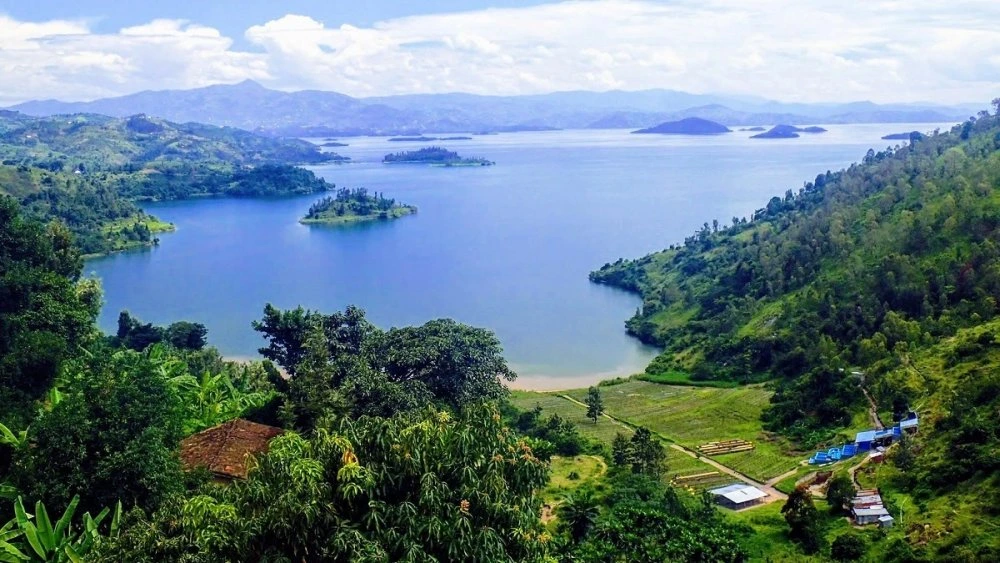
Government institutions also receive support to adapt to climate variability, with dedicated funds helping develop strategies to manage natural disasters and monitor methane gas safely in Lake Kivu, a crucial resource for clean energy.
All these efforts are part of a larger tapestry — Rwanda’s commitment to weaving economic, environmental, and social threads into a resilient fabric of progress.
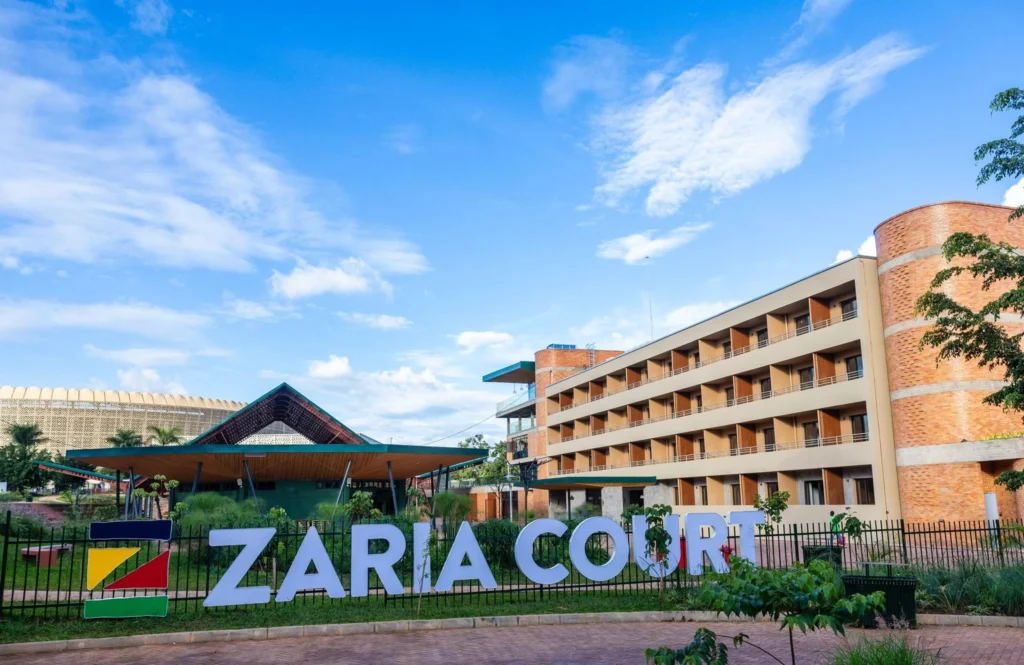
Meanwhile, a shining example of Rwanda’s innovative spirit can be seen in Zaria Court, a visionary project spearheaded by Masai Ujiri.
More than just a sports complex, Zaria Court is a vibrant cultural hub that brings together athletics, entertainment, and community life under one roof. Featuring football pitches, a versatile basketball arena, and event spaces for up to 5,000 people, it’s designed for everything from intense local games to large-scale concerts.
The facility’s 80-room hotel accommodates athletes, artists, and visitors, supported by trendy sports bars, lounges, retail outlets, and recreational zones that create a dynamic environment for relaxation and socializing.
Zaria Court also houses modern office spaces and a high-tech podcasting studio tailored for Rwanda’s youthful, digitally savvy population — empowering creators to share their stories and build connections.
This project encapsulates Rwanda’s innovative blend of sustainability, culture, and development, showing how green investments and social vibrancy can grow hand in hand.
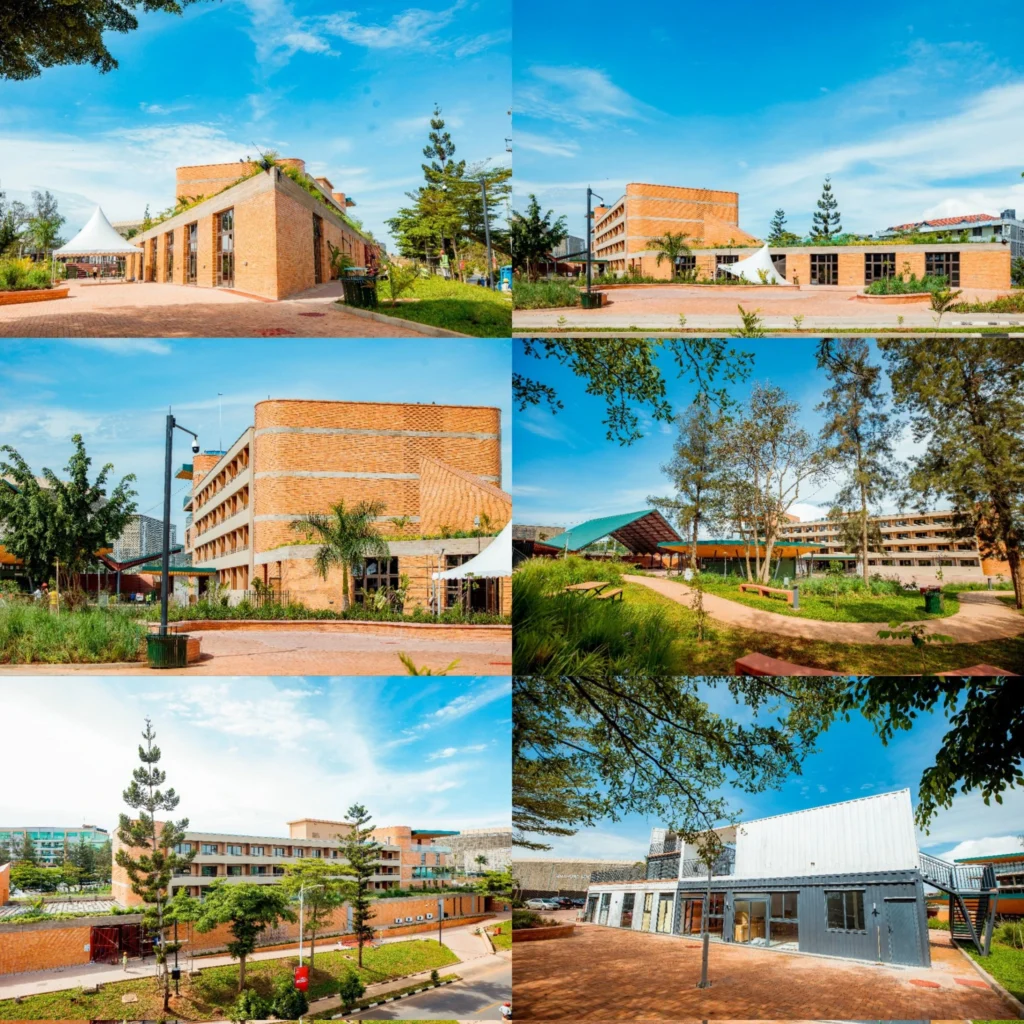
Zaria Court will officially launch during the Giants of Africa Festival from July 26 to August 2, 2025. Founded by Masai Ujiri, this festival brings together over 320 youth from 20 African countries for basketball, culture, and education. With performances by top African artists, the event marks Rwanda’s growing presence in sports and entertainment. Zaria Court aims to empower youth and position Kigali as a hub for global events.
Rwanda’s story of green development is still unfolding, but with projects like these, it’s clear that the nation is building not just for today, but for a thriving, sustainable tomorrow — one where people, nature, and innovation flourish together.
By Jean de Dieu NDUWAYEZU