

By Teresia Gitau
Kakuma, KENYA – Pastoralist communities in Kakuma, Turkana County, are demonstrating that climate resilience can be ancient and innovative.
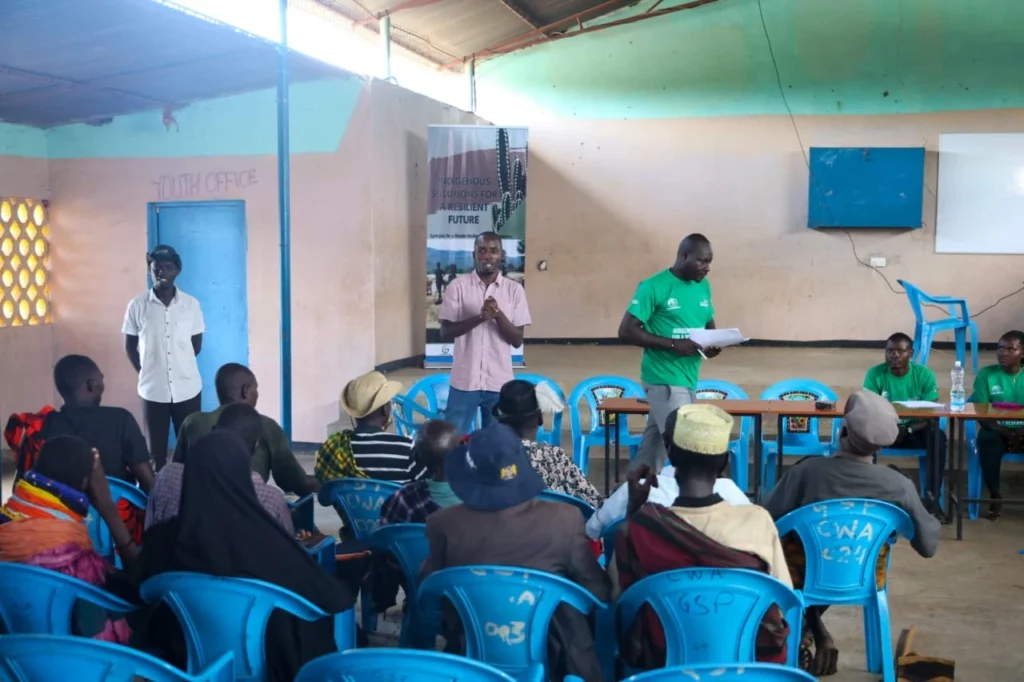
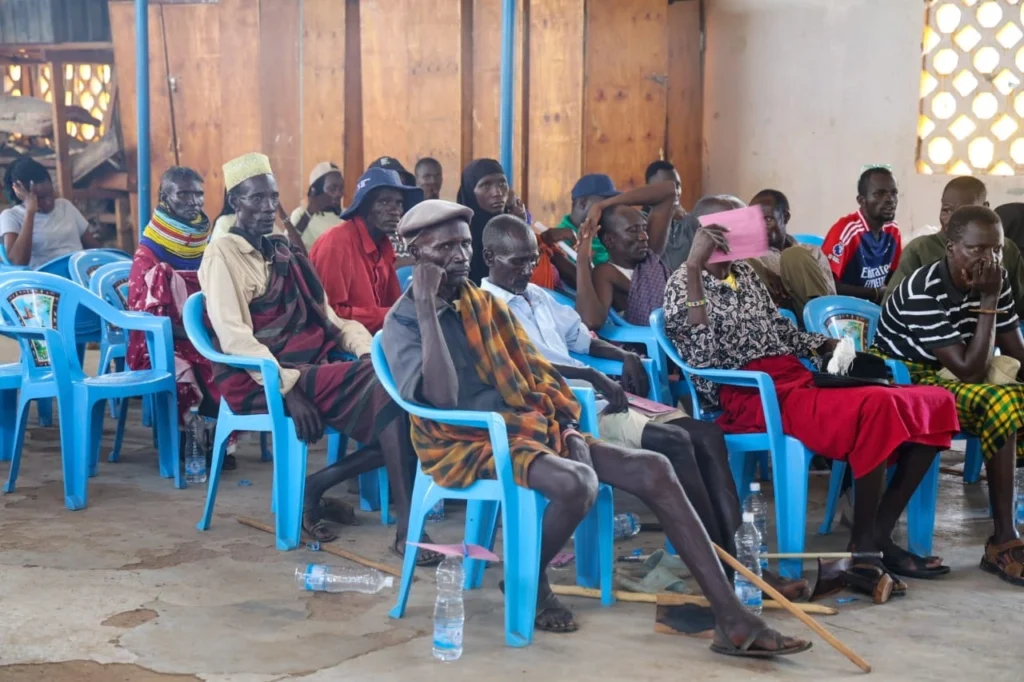
Through a series of community dialogues and climate workshops, the elders and the youth of Kakuma are sharing indigenous and modern practices to manage human and resource conflicts.
“With the human conflicts between the pastoralist communities of Turkana, Pokot, and Karamojong from Uganda, we had to organize these workshops within the community,” says Enock Mong’are, a programs coordinator at Green Initiative Kakuma. “We need to strengthen adaptation practices by combining indigenous knowledge and modern scientific approaches.”
According to the Turkana County Risk Assessment Report, the rain patterns are erratic and unreliable, with violent storms resulting in flash floods in the arid region. The county experiences a hot, dry climate with temperatures ranging between 20°C and 41°C, averaging 30.5°C.
Over the past 30 years, the ability of communities to have a good livelihood from pastoralism has been challenged by the extreme climate change variabilities. Communities here depend on livestock sales, charcoal production, mat and basket weaving, brewing, and fishing.
These activities are threatened by climate change. “Every drought season affects livelihoods in the region, leading to loss of animal and human lives and scarcity of water,” says Enock. “This disrupts the local communities’ socio-economic activities, which highly depend on water resources and are vulnerable to climate change.”
Among the key solutions discussed were the drilling of solar-powered boreholes to irrigate fodder crops for communal herding and the desalinization of groundwaterfor domestic use. These solutions aim to minimize tension among pastoralist communities and overreliance on natural vegetation for grazing.
Despite solar pumps and desalinization offering hope, community elders like Dominic Looto insist that without “indigenous knowledge, climate resilience is incomplete.” “This knowledge is God-given and long-lasting, whether technology is there or not,” says Dominic.
Pastoralists in the region have relied on migratory bird patterns flying from Ethiopia to Lake Turkana and the flowering of Salvadora persica (toothbrush tree) and various Acacia tree species to signal changing weather patterns and onsets of different seasons.
“Nature is more powerful than human inventions and their technologies. When we read the signs, it connects us to our ancestors and gives us a sense of belonging, Dominic asserts.”
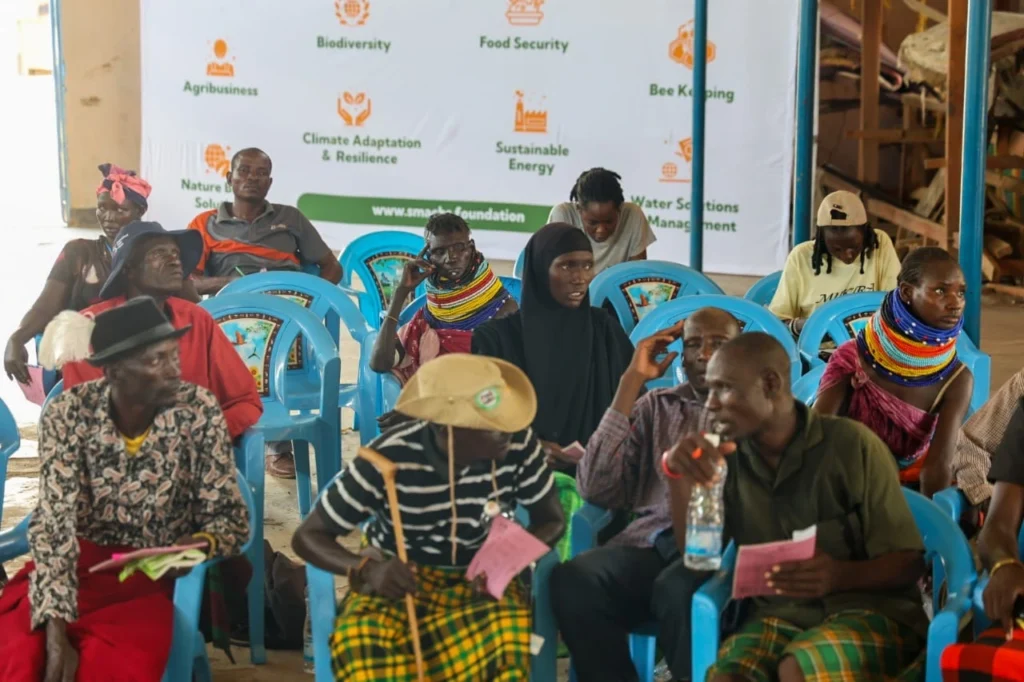
For many elders, this cultural connection is as important as the practical insights. “It happens at home; it happens in the field while grazing. It is easily transferred to younger generations without going to school,” Dominic explains. “That is why we must preserve it so that efforts toward climate resilience continue, especially during droughts.
However, preserving and applying this knowledge alongside modern science offers challenges to the young people.
“One major challenge is lack of financial resources,” says Abednego Awupal, a youth participant at the Climate Resilience Workshop. “We want to gain knowledge, do research, compare indigenous knowledge with modern science, and document what the elders know. But without resources, we can’t move around, we can’t record, nor can we share the knowledge gained widely.”
The second challenge is attitude. According to Abednego, some youth don’t believe these systems work. They think it is outdated, especially inweather predictions. This doubt becomes a barrier because “young people question its credibility since most elders didn’t go through formal education.”
Another obstacle is limited exposure to wider climate discussions. “Most of us don’t know what Conference of Parties (COPs) means or what United Nations Environment Assembly means, he says. “If we can get these opportunities, we can connect our local experiences to global action, helping our elders in decision-making.”
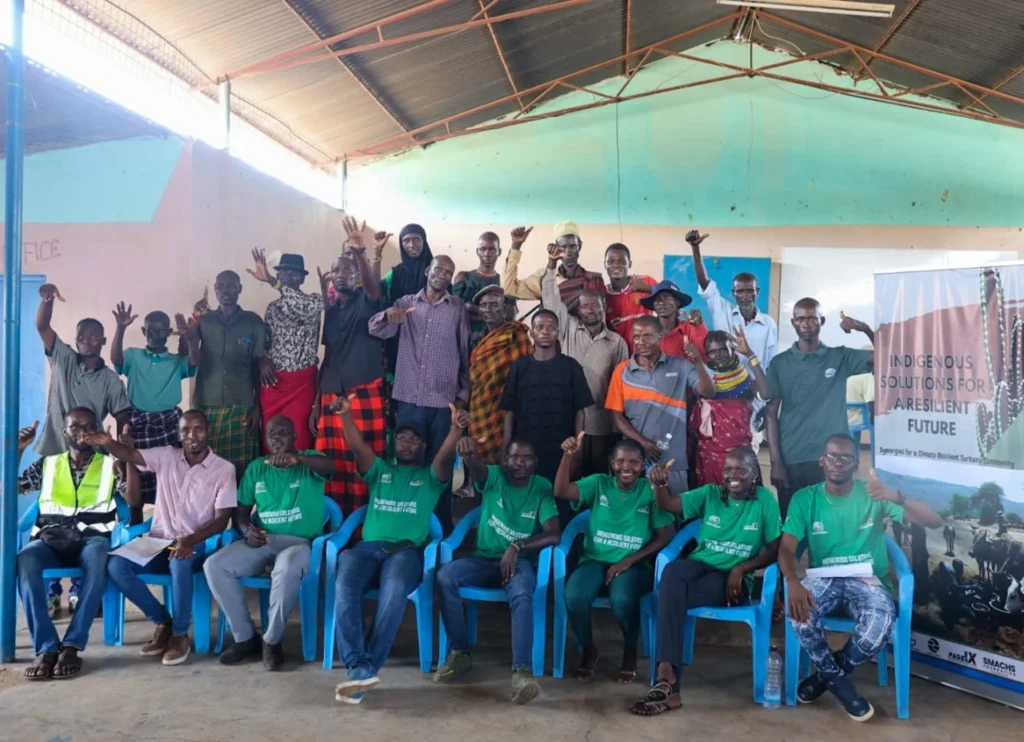
As all roads lead to Belém, Brazil, for COP30 to discuss how to finance and scale adaptation efforts, Turkana’s experience offers a critical lesson on community-led solutions already happening, but they need support to grow.
From solar-powered boreholes to ancestral knowledge passed down in the arid areas, these efforts are proving that adaptation is strongest when tradition and technology work in tandem.