
By Jean de Dieu Nduwayezu
KIGALI & LONDON -When Arsenal and Visit Rwanda first joined hands in 2018, the world saw a bold move, but Rwanda saw a doorway—an opportunity to share its story of conservation, resilience, and transformation with millions across the globe. Eight years later, that doorway has become a bridge, and the partnership, now concluding in June 2026, stands as one of the most influential collaborations in modern sports diplomacy. It is ending, yes, but its legacy will continue to shape Rwanda’s global image for decades.
The partnership was never just about a logo on a sleeve; it was about a nation redefining its narrative through the universal power of sport. Visit Rwanda’s presence on Arsenal’s kit placed the country in front of billions of viewers, instantly elevating global awareness of its tourism and conservation efforts. What followed was unprecedented: Rwanda’s tourism arrivals surged to 1.3 million in 2024, revenues climbed to USD 650 million, and the industry recorded a remarkable 47% growth since the partnership began. Behind these figures are thousands of new jobs created for young people, communities empowered around national parks, and expanded opportunities in hospitality, culture, and ecotourism.
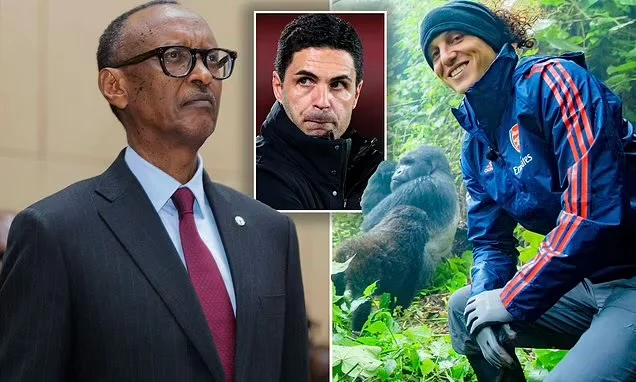
The partnership’s impact extended far beyond numbers. Arsenal players and legends—Alex Scott, Mathieu Flamini, Bacary Sagna, Jurrien Timber, Caitlin Foord, Katie McCabe, Laia Codina, and many others—did more than visit Rwanda. They experienced it. They walked the misty forests of Volcanoes National Park, stood face-to-face with mountain gorillas, crossed the ancient canopy bridges of Nyungwe, explored Akagera’s revived savannahs, and felt the calm of Lake Kivu’s shores. Their journeys, shared with millions of fans, sparked curiosity, admiration, and a wave of global interest in Rwanda’s natural beauty and conservation success.
Cultural highlights like Rwanda Heritage Day at Emirates Stadium and repeated participation in Kwita Izina, the country’s iconic gorilla naming ceremony, amplified Rwanda’s message: conservation is not just protection—it is identity, community, and responsibility.
One of the most profound impacts of the partnership was on the youth. Through football clinics, grassroots programs, and knowledge exchanges, hundreds of young Rwandan players and coaches gained exposure to modern training methods and inspiration from a club they had only watched on TV. For many, it was the first time they believed a global sports ecosystem could include them. This empowerment—quiet, consistent, and transformative—is one of the partnership’s greatest legacies.
As the partnership concludes, both sides recognize the milestone they’ve created together. Rwanda Development Board CEO Jean-Guy Afrika described it as a groundbreaking achievement that accelerated Rwanda’s visibility faster than any traditional marketing campaign. Arsenal CEO Richard Garlick acknowledged Rwanda’s unwavering commitment and the depth it added to the club’s community connections across Africa.
Though the collaboration will not continue next season, the legacy is undeniable. Rwanda leaves this partnership with stronger tourism foundations, deeper global recognition, and a renewed confidence in using sports as a catalyst for sustainable development. Arsenal leaves with an expanded understanding of Rwanda’s story—one rooted in resilience, cultural pride, and environmental responsibility.
The end of this chapter is not the end of the story. Rwanda now moves into a new era of global engagement, carrying forward the momentum built over eight years of visionary partnership. Its journey continues—with new markets, new collaborations, and the same unwavering belief in the power of storytelling, youth, and conservation.
Eight years later, one truth stands clear: this partnership did not just change how the world sees Rwanda—it elevated how Rwanda sees its own potential.