


By Teresia Gitau.
Nyandarua, Kenya – In a cycle driven by climate change, hippos from Kenya’s protected wetland Lake Ol’ Bolossat are forced into a migration between the lake and nearby natural dam for breeding, shelter and water.
The once-stable wetland, designated in 2018 as one of Kenya’s Protected Wetland, could not sustain the hippos population for 4 years. The migration, driven by prolonged drought, forced the animals to trek 8-10km to Mukindu dam.
In 2021, the lake almost dried up completely due to drought. “The breeding of hippos shifted to Mukindu dam that never dries,” said Kevin Nderitu, Senior Climate Change Officer in Nyandarua County. “We noticed micro-organisms shifted, and hippos migrating there temporarily, which tells you something was wrong in the ecosystem.”
Lake Ol Bolossat is the only highland lake in central Kenya. Lying at an average altitude of 2340, the lake has no inlets, but gets its water from springs flowing from Satima Escarpment and Ndundori hills.-
It is the source of the Ewaso Nyiro River, a lifeline for communities across 7 counties of Laikipia, Nyeri, Isiolo, Samburu, Meru, Garissa, and Wajir counties. Also, the river supports Lewa Conservancy in Meru County and Shaba National Reserve in Isiolo County and feeds downstream agriculture and pastoralist communities.
“When Lake Ol Bolossat almost dried up, it was no just Nyandarua that suffered,” said Nderitu. “Water supply, biodiversity, and approximately three million people were affected.”
In 2021, the lake dried up completely, causing pastoralists from other counties like Samburu and Laikipia to move upstream with their cattle to investigate the sudden scarcity.
“Around November, December, January, proceeding to 2024 around April. There was a severe drought that made the lake completely dry. Even the vehicles were crossing from one side to the other,” David wachira Njari, community mobilizer of Lake Ol’ Bolossat Community Conservation group told SECOTO Magazine, “It attracted pastoralists from Samburu, from Laikipia, others from as far as Baringo, and they came with their livestock. They set up some temporary tents inside the dry lake.”
Tension flared among the two pastoralist communities because of water scarcity, “crossing boundaries”. “There were several conflicts when pastoralists from Laikipia entered the area. It was solved by the chief and the elders of the area, said David.
In addition, the two pastoralist communities conflicted with the local farmers. They were “stealing the local communities’ sheep, and cows.” At night the local farmers had to be vigilant because the cows entered the local communities’ farms damaging crops so much that the “local chiefs had many crop damage incidents reported.”
In 2017, the lake was declared an Important Bird Area (IBA) in Danger by Birdlife International. Home to about 78 species of birds flying from Europe and some from Asia, lake Ol’ Bolossat houses key bird species including the globally threatened and Kenyan high-altitude grassland endemic Sharpe’s Longclaw, the East African endemic Jackson’s Widowbird, the regionally threatened Long-tailed Widowbird, the Grey Crowned Crane (endangered) and the Great Crested Grebe.
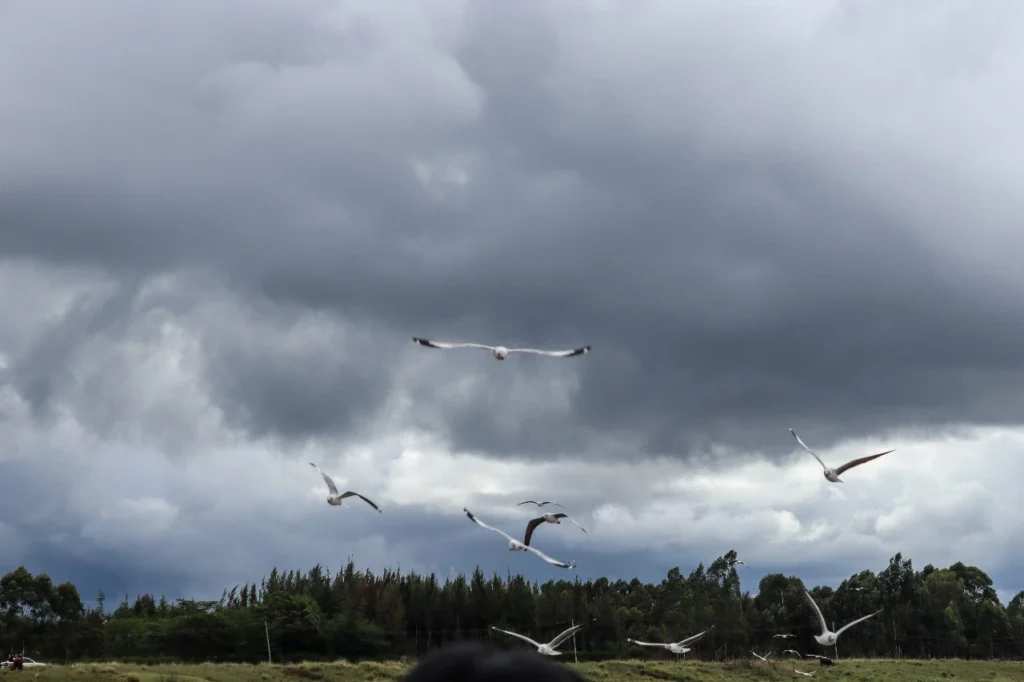
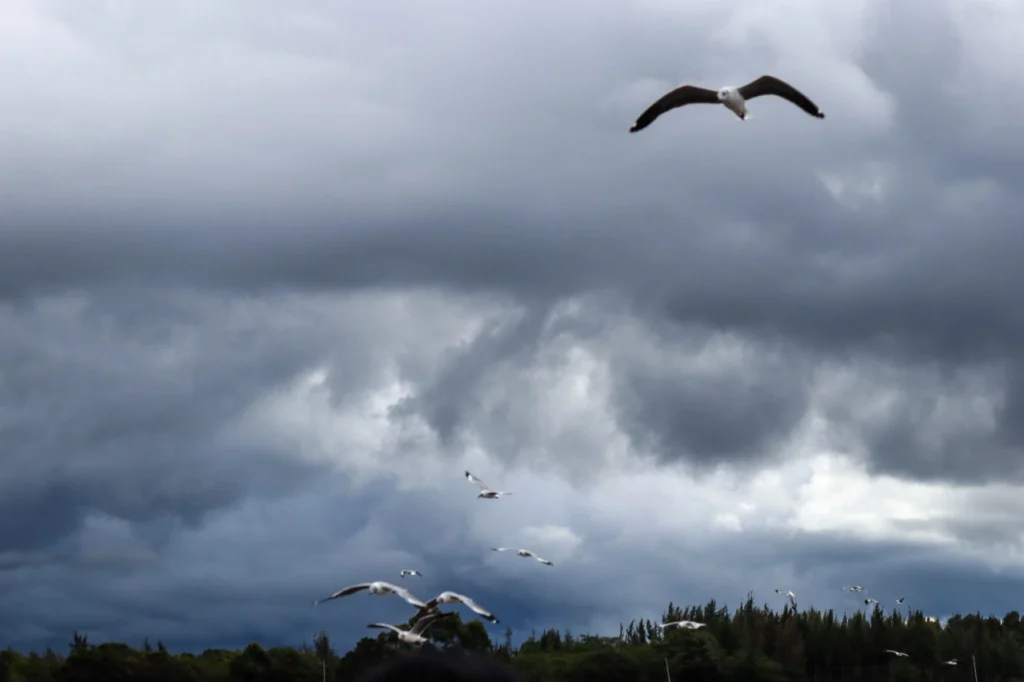
In the past four years, the drying lake caused human-wildlife conflicts. As the hippos searched for food, they moved into the farms at night destroying crops, causing multiple human injuries and rising tensions.
The lake’s reduction in size overtime isn’t just about drought. Human encroachment, pressure from growing urban development.
Population growth upstream near the springs has “increased water extraction preventing sufficient water to reach the lake.”
Rock mining, road grading and erosion have led to siltation, a thick mud, in which baby hippos get stuck. “Hippos don’t swim, they walk in water. It is difficult for calves to walk in the silt, Kevin Nderitu said.
Agrochemical use from horticultural farming around the lake, urban effluent and the siltation has caused algal bloom affecting the aquatic population of mudfish, and plants in the lake.
In addition, there are a lot of Eucalyptus plantations around the lake. Eucalyptus species are heavy consumers of water and could drain wetlands. “We are partnering with the International Tree Foundation to restore forests through tree planting of fruit trees like avocado trees and habitat restoration, hoping to safeguard the wetland,” said Nderitu.
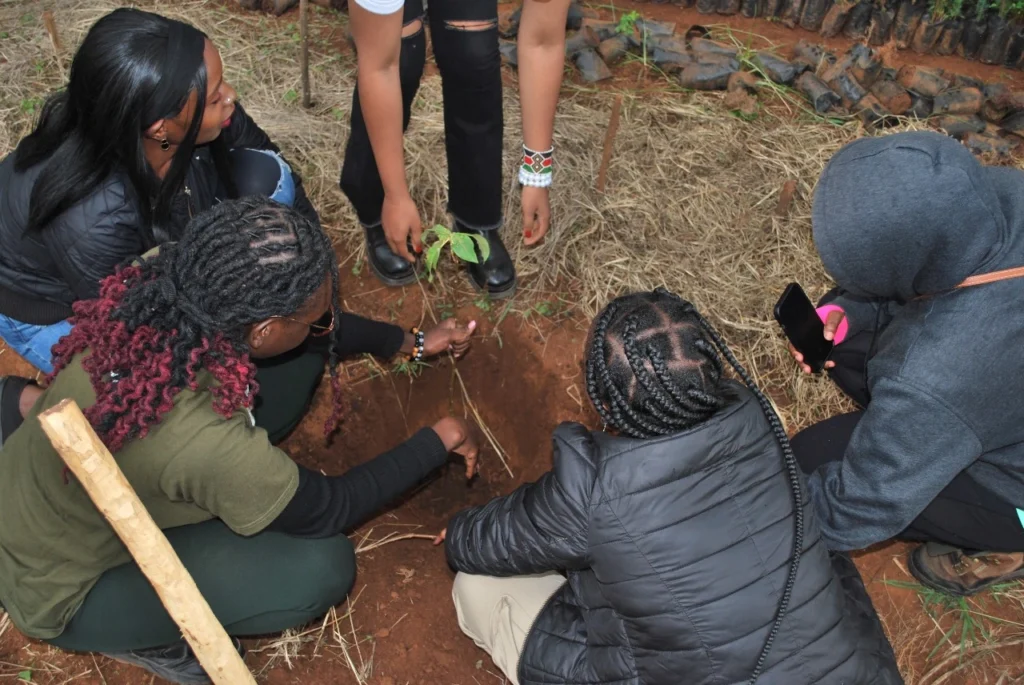
Despite the challenges, locals and county efforts are beginning to show results. Young people are leading in creating awareness among local residents, farmers and pastoralists downstream. “Our aim is to sensitize the communities around this area. Nothing can be done without locals,” says Moses Noah of Africa Water Ambassadors.
“This is done by observing all the environmental days. It is the perfect opportunity to bring people together.”
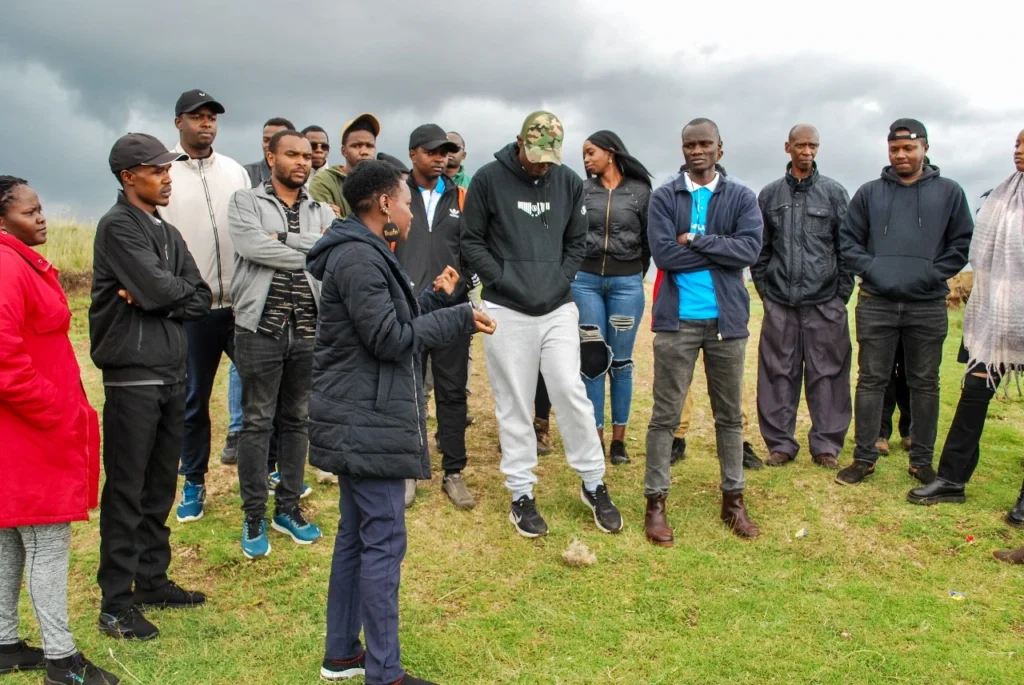
As of June 2025, the lake is around 80% full, and hippos are returning. The County Government of Nyandarua rolled out the Lake Ol Bolossat Integrated Management Plan, a framework that guides conservation, community participation, and climate adaptation.
“Water harvesting in schools and households, agroforestry, and climate-smart agriculture are our focus,” said Nderitu. “We’re training farmers on sustainable land use to stop the damage upstream.”
The county is also working with The Nature Conservancy to rehabilitate the catchment areas and protect the springs feeding the lake. These efforts are vital, not only for local wildlife but for the over 3 million people who depend on the Ewaso Nyiro River downstream.
To provide long-term protection, the county is moving to “gazette Lake Ol Bolossat as a National Reserve under Kenya’s Wildlife Conservation and Management Act of 2013.” This designation would allow for greater enforcement, boundary demarcation by the National Land Commission, and deployment of Kenya Wildlife Service (KWS) wardens.
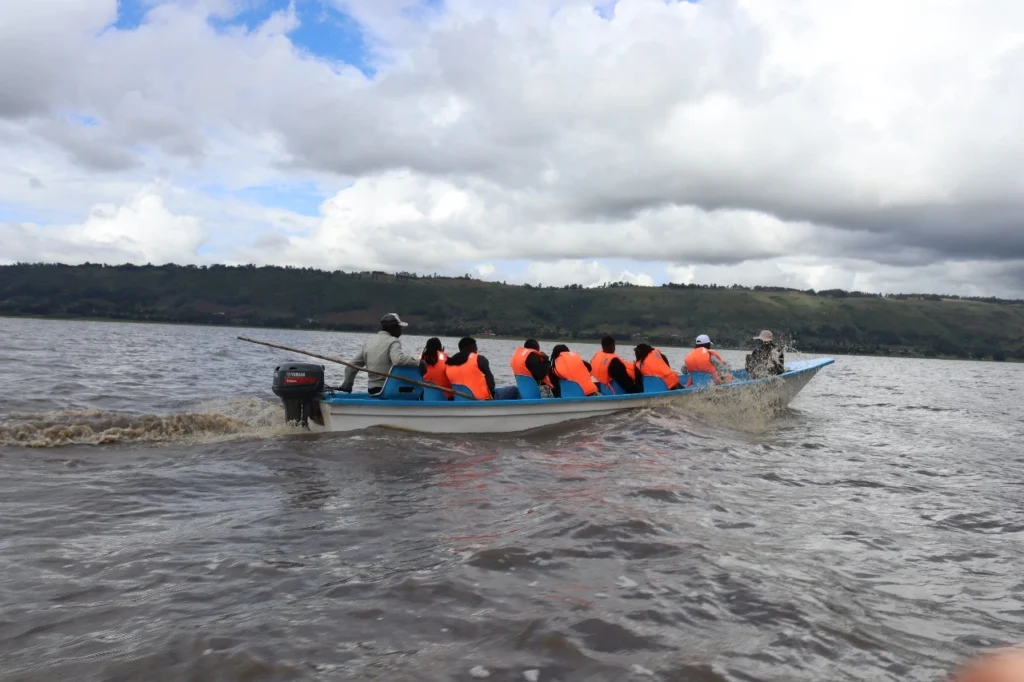
In tandem with conservation, the county envisions economic development through commercial tourism. Plans are underway to commercialize in a regulated manner boat rides, nature walks, and bird-watching stations. “The county government donated three boats for ecotourism,” said Moses, “It will enhance collective responsibility among the residents to conserve the lake.”
The county has also organized the second annual edition of the Lake Ol’ Bolossat Half Marathon on Sunday, June 15th, 2025. The marathon aimed to raise funds for lake conservation and promote awareness about its ecological importance.
The athletes competed alongside breathtaking views of the Aberdare Ranges. Funds raised will go to restoration activities, educational awareness and campaigns, and youth engagement programs that promote conservation.