

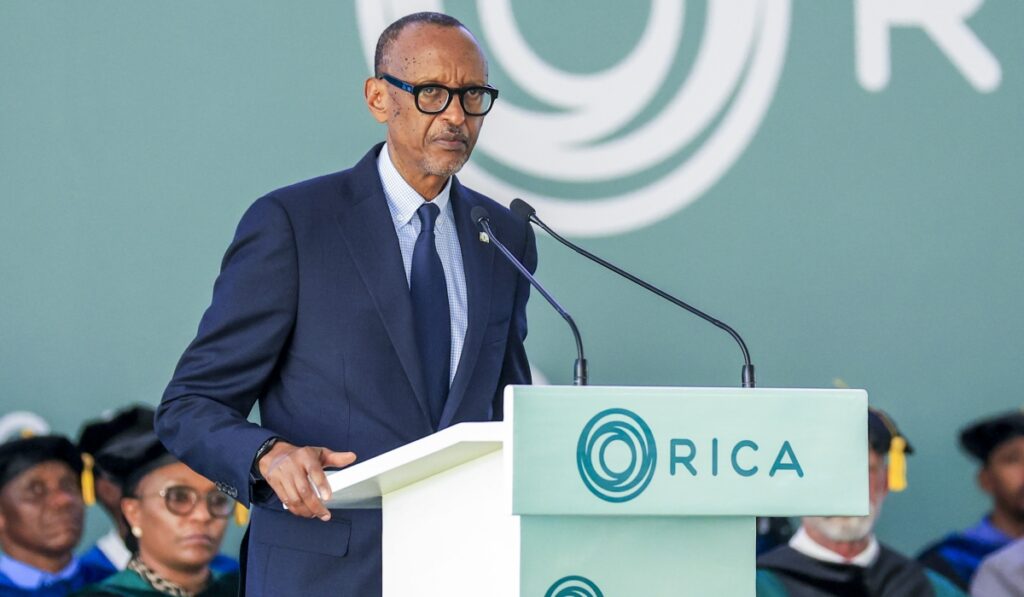
In the heart of Africa, where rolling hills meet misty mountains, Rwanda is crafting a future rooted in harmony with its environment. Guided by the visionary leadership of President Paul Kagame, the country has placed conservation, climate responsibility, and cultural heritage at the core of its national identity. Far from being a passive backdrop, nature has become a powerful driver of Rwanda’s socioeconomic transformation an emblem of resilience and renewal.
Over the past twenty years, Rwanda has moved beyond the shadows of its tragic past to become a beacon of sustainable development. The 1994 Genocide against the Tutsi left not only deep societal scars but also widespread environmental degradation. Forests were cleared, wildlife displaced, and ecosystems fractured. Yet in the aftermath, nature became both a sanctuary and a symbol—a starting point for national healing.
Rwanda’s approach to recovery has turned environmental restoration into a dynamic force for progress. Today, 37% of its land is under formal protection ,a remarkable feat reflecting an unyielding commitment to ecological stewardship. Four flagship national parks—Volcanoes, Akagera, Nyungwe, and Gishwati-Mukura ,stand as thriving ecosystems, each with its unique story of revival. Akagera, once nearly devoid of large wildlife, now boasts the iconic Big Five, signaling a dramatic comeback and a testament to careful planning and partnerships.
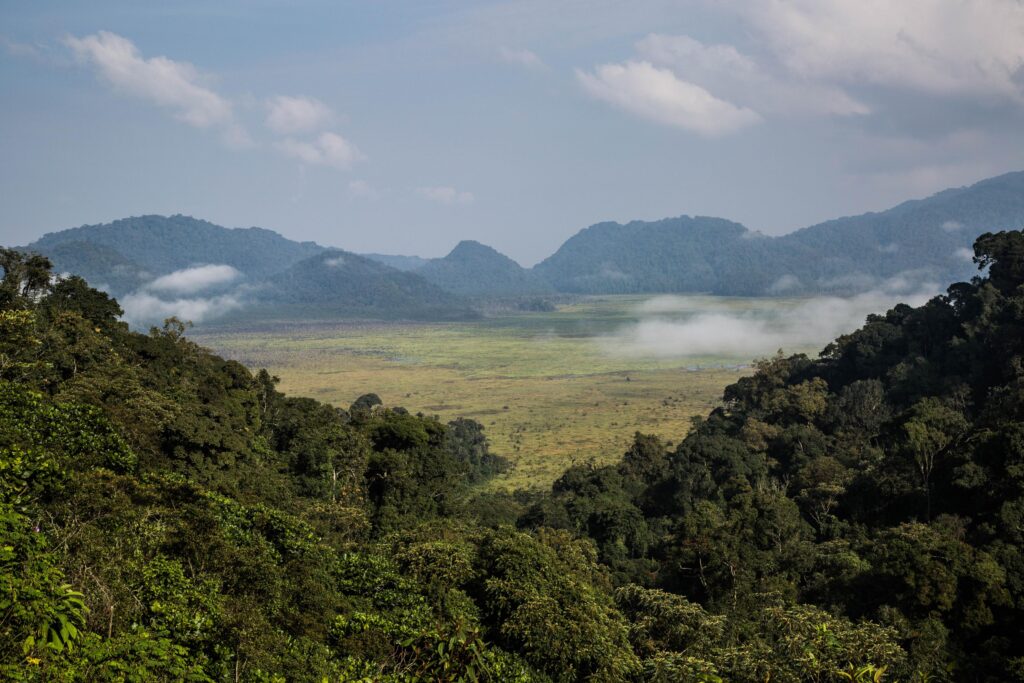
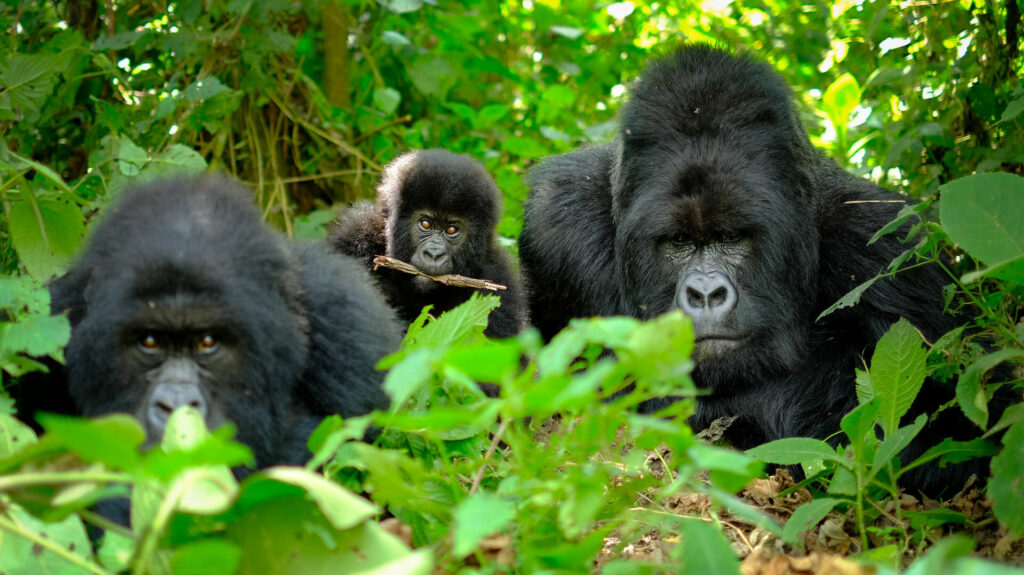
This transformation did not happen in isolation. The Rwanda Development Board (RDB), working alongside global partners like African Parks, has orchestrated large-scale rewilding efforts, including the successful reintroduction of lions, black rhinos, and the protection of the endangered mountain gorilla. These efforts are not only ecological triumphs—they have created tangible benefits for people.
In Rwanda, conservation is intrinsically linked to community well-being. Eco-tourism has become a lifeline for surrounding villages, funding schools, clinics, and jobs. Local communities are not mere spectators; they are active stewards of the land, empowered through equitable revenue-sharing schemes and inclusive governance. This integrated model exemplifies how safeguarding biodiversity can go hand-in-hand with human development.
Rwanda’s journey demonstrates that even in the face of unimaginable adversity, a nation can rise by aligning its future with the natural world. Through visionary policies and grassroots collaboration, it is proving that environmental resilience is not only possible it is transformative.
Beyond Wildlife: The Economic and Social Impact
Rwanda’s conservation efforts go beyond protecting biodiversity. In 2022, tourism generated $445 million, with 10% of revenue directly benefiting local communities. These funds are reinvested into education, healthcare, and infrastructure, demonstrating that conservation is a driver of economic development.
Rwanda has pioneered Payment for Ecosystem Services (PES), a system where businesses pay for the environmental benefits provided by protected areas. This initiative empowers local communities, transforming them into active guardians of natural resources and reinforcing the idea that environmental protection is not just a responsibility, but an opportunity.
As the climate crisis intensifies, Rwanda has shown that conservation can be a powerful tool for climate resilience. The country’s forests, wetlands, and restored landscapes play crucial roles in mitigating climate change by acting as carbon sinks, water filters, and flood barriers.
Rwanda’s Green Growth and Climate Resilience Strategy places biodiversity at the heart of its sustainable development agenda. This strategy promotes climate-smart agriculture, green energy, and sustainable urban planning. By integrating nature into national policies, Rwanda is ensuring a resilient future for its people, where environmental health and economic prosperity go hand in hand.
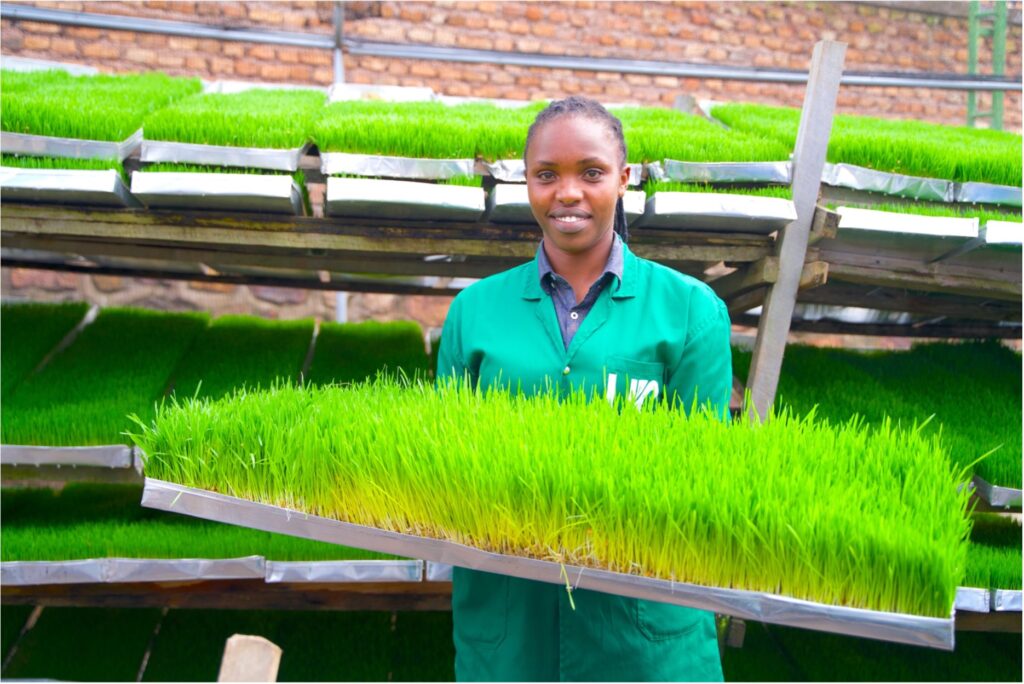
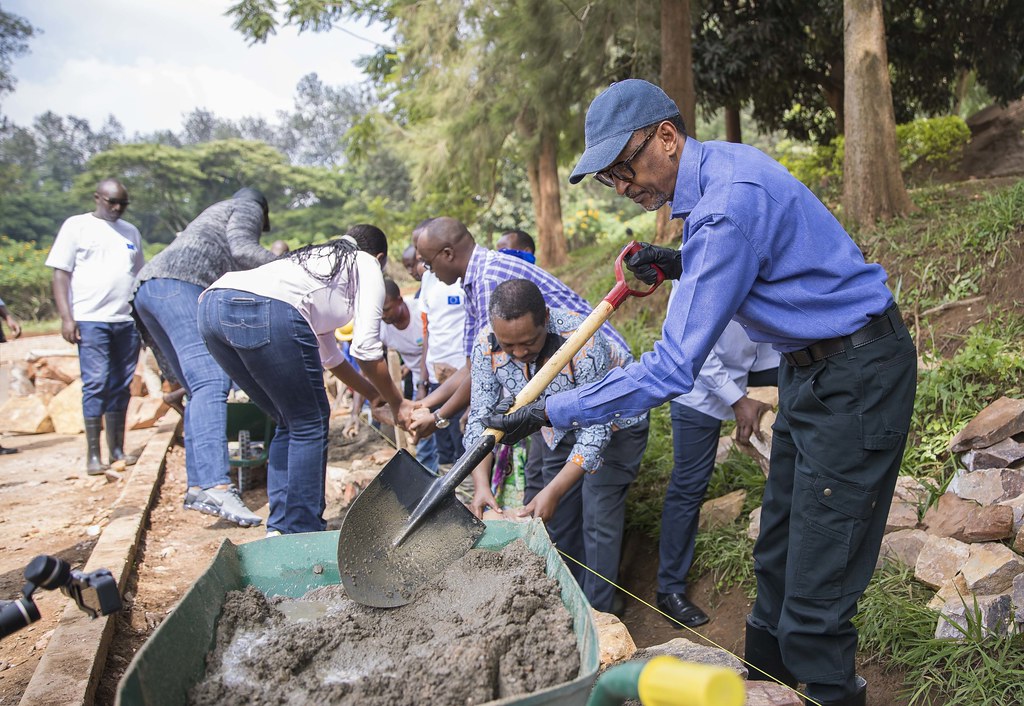
Umuganda: A National Movement for Environmental Stewardship
Every last Saturday of the month, Rwanda comes together for Umuganda, a nationwide community cleanup event. This initiative unites citizens to restore the environment, plant trees, clean neighborhoods, and protect natural resources. Umuganda fosters a culture of collective environmental responsibility, showing that nationwide action can lead to significant environmental improvements.
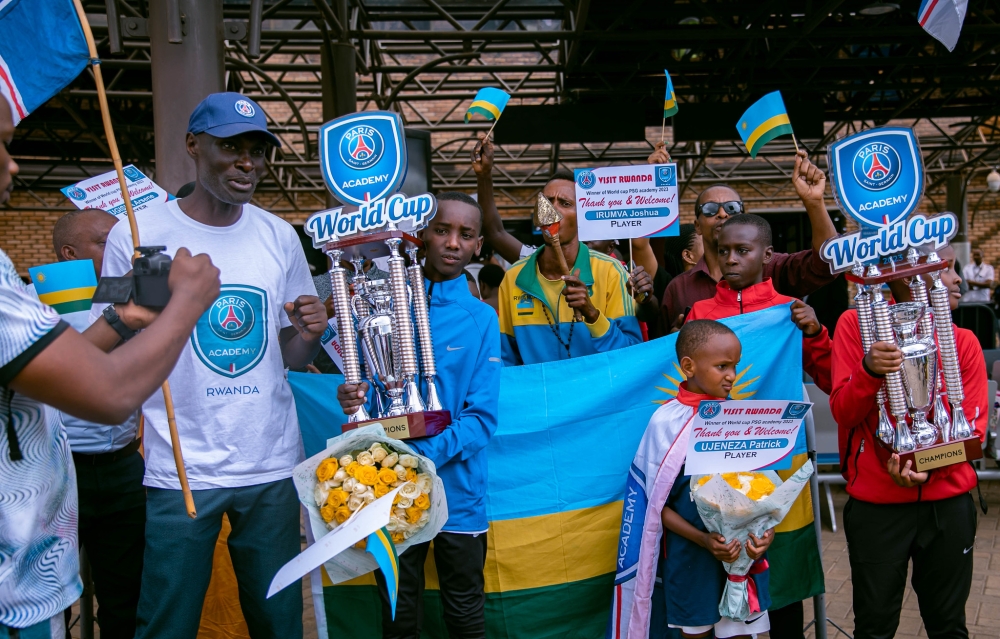
Where Sports, Youth, and Sustainability Collide
In a nation where 60% of the population is under 25, Rwanda has found an unexpected ally in its conservation efforts: sports. Eco-tournaments, community clean-up races, and football-for-forests initiatives are engaging young people in sustainability efforts. These programs are creating a new generation of “green champions,” passionate about both sports and the environment.
Rwanda’s sponsorship of international sports teams like Arsenal FC and Paris Saint-Germain is part of a broader strategy to promote the country’s environmental achievements on a global stage. By aligning itself with sports, Rwanda is telling the world that it is not just a tourism destination, but a leader in ecological innovation and youth-driven sustainability.
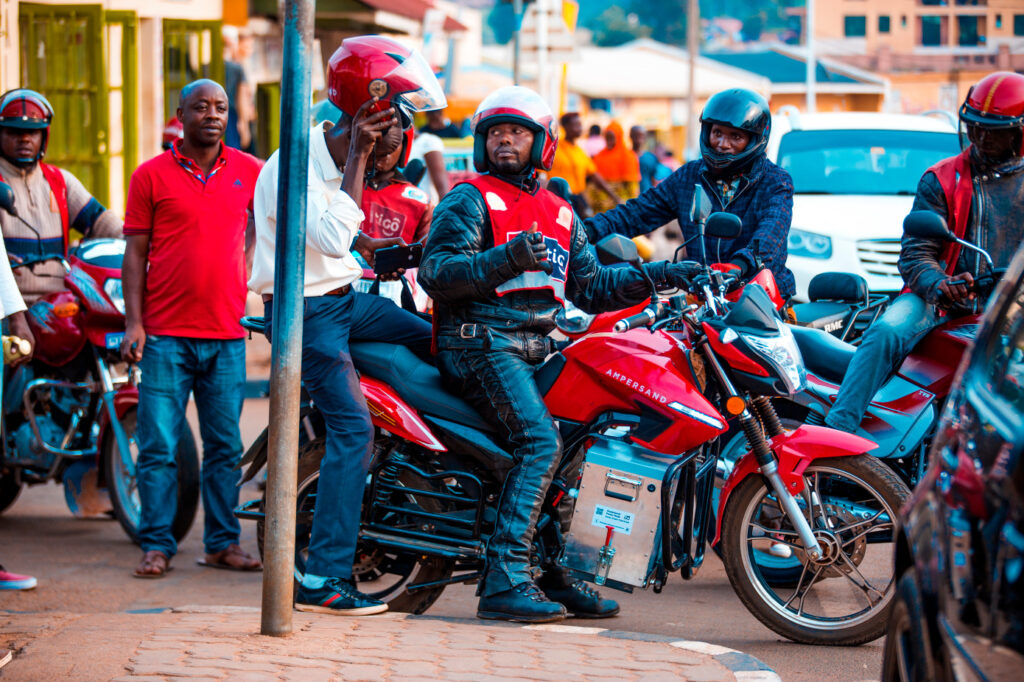
The introduction of electric vehicles (EVs) and electric motorcycles is another step toward environmental sustainability. These eco-friendly transport options are helping to reduce air pollution, furthering Rwanda’s green vision and aligning with its broader goals for a sustainable future.
Kwita Izina: A Celebration of Conservation and Climate Action
Kwita Izina, Rwanda’s annual mountain gorilla naming ceremony, is more than a cultural event—it’s a global symbol of conservation and climate responsibility. Held near Volcanoes National Park, the ceremony brings together international guests, conservationists, and local communities to honor the birth of newborn gorillas and highlight efforts to protect their habitat.
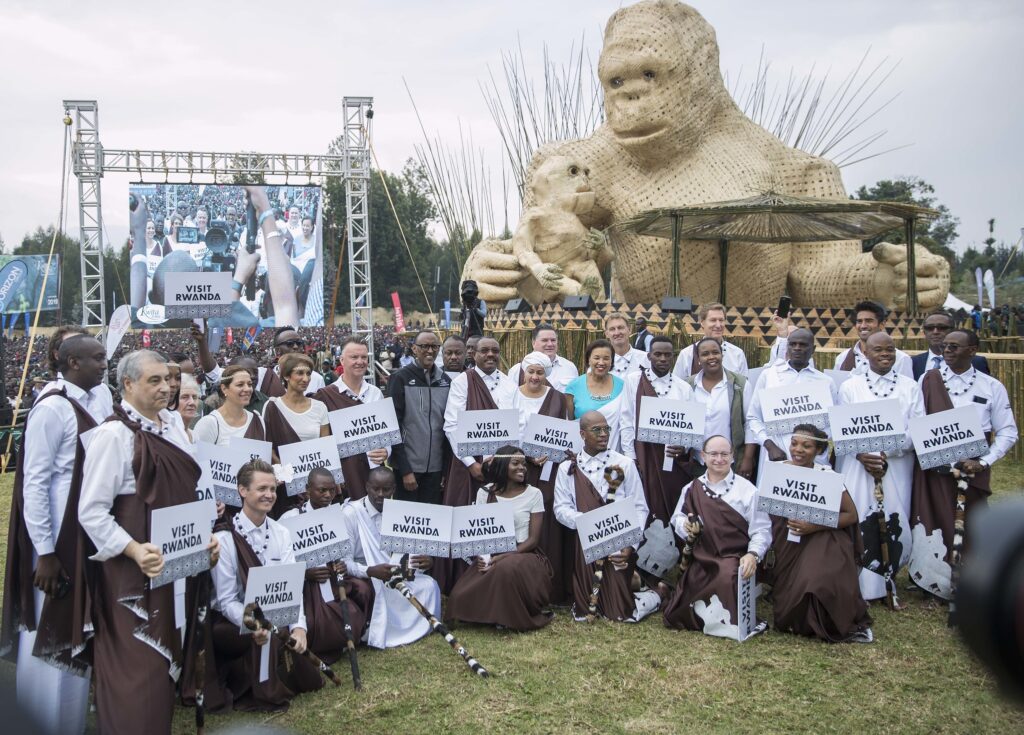
Launched in 2005, each gorilla is given a name that reflects values like hope, resilience, and harmony with nature. This tradition fosters a stronger bond between people and wildlife while raising awareness about the importance of biodiversity.
Local communities play a vital role in this success. Their active involvement in protecting gorillas and participating in eco-tourism is celebrated during the event, reinforcing community-driven conservation.
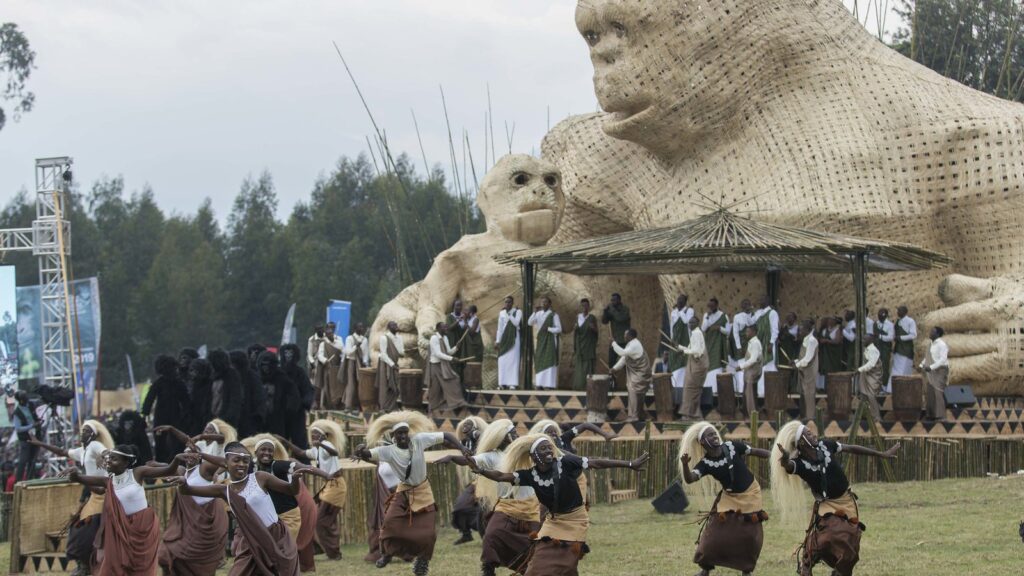
Kwita Izina also promotes sustainable tourism, drawing global attention to Rwanda’s eco-friendly approach. Tourism revenues support conservation and improve local infrastructure, creating shared benefits for both people and wildlife.
As environmental challenges grow worldwide, Kwita Izina stands as a powerful reminder of what can be achieved through unity, respect for nature, and long-term commitment.
Rwanda’s journey demonstrates that nature is not a luxury , it’s essential for human survival and prosperity. From the rainforests of Nyungwe to the savannas of Akagera, and from gorilla guardians in Volcanoes to schoolchildren in Gishwati-Mukura, Rwanda’s conservation story is about more than protecting wildlife , it’s about building a smarter, greener, and more resilient future.
Rwanda is rewriting its story, using nature not only to recover from its past but to create a foundation for a brighter tomorrow. The nation’s ongoing innovation in conservation, climate action, and youth empowerment offers a global model for how countries can use environmental stewardship to fuel both prosperity and resilience.
By Jean De Dieu NDUWAYEZU
SECOTO Magazine EAC’s Chief Editor